Exploring New Dimensions with Computers: Virtual Reality

In the ever-evolving landscape of technology, virtual reality (VR) stands out as a revolutionary innovation that has the potential to transform the way we interact with digital environments. By merging the realms of the physical and the virtual, VR technology offers users the opportunity to explore new dimensions, transcending the limitations of traditional computing. This article delves into the world of virtual reality, examining its underlying principles, its applications across various fields, and the future possibilities it holds.

The Basics of Virtual Reality:
Virtual reality is an immersive computer technology that replicates an environment, real or imagined, and simulates a user’s physical presence in it. The core of VR technology lies in the use of VR headsets, which typically include a display screen, lenses, and sensors to track head movements. These devices create a three-dimensional, computer-generated environment that can be explored and interacted with in a seemingly real or physical way.

The Illusion of Presence:
One of the key objectives of VR is to create a sense of “presence,” where users feel as if they are truly inside a different world. This is achieved through a combination of visual, auditory, and sometimes haptic feedback. High-resolution displays provide a clear and detailed view of the virtual world, while headphones immerse users in a 360-degree soundscape. Advanced VR systems may also incorporate hand controllers and body suits that simulate touch and movement, further enhancing the realism of the experience.

Applications Across Industries:
The applications of virtual reality are vast and varied, with each industry finding unique ways to leverage its capabilities.

  1. Gaming and Entertainment: VR has revolutionized the gaming industry by offering players the chance to step into the game. From virtual reality arcades to home setups, gamers can now explore new worlds, battle foes, and solve puzzles as if they were truly there.
  2. Education and Training: VR provides an interactive and engaging way to learn. It is used in classrooms to bring historical events to life, in medical schools for surgical training, and in flight simulators for pilot training.
  3. Architecture and Design: Architects and designers can create virtual models of buildings and spaces, allowing clients to walk through and experience their future projects before construction begins.
  4. Therapy and Rehabilitation: VR is used in therapeutic settings to treat conditions such as PTSD, phobias, and chronic pain. It also aids in physical rehabilitation by providing patients with immersive environments that encourage movement and exercise.
  5. Retail and Marketing: Retailers use VR to create virtual showrooms and try-on experiences, while marketers create immersive campaigns that allow consumers to experience products in a virtual setting.

The Future of Virtual Reality:
As technology continues to advance, the future of virtual reality looks promising. Improvements in hardware will make VR headsets lighter, more comfortable, and less expensive, making them accessible to a wider audience. Advances in software will create more realistic and interactive virtual environments. Additionally, the integration of VR with other technologies, such as artificial intelligence and the Internet of Things, will open up new possibilities for innovation.

Conclusion:
Virtual reality is more than just a technological novelty; it is a gateway to new dimensions of experience and interaction. By blending the digital with the physical, VR has the power to redefine how we learn, work, play, and connect with the world around us. As we continue to explore the capabilities of this technology, the boundaries between the real and the virtual will become increasingly blurred, offering endless opportunities for discovery and creativity. The journey into virtual reality is just beginning, and the destinations it will take us are as limitless as our imagination.
Exploring International Products Through Online Shopping

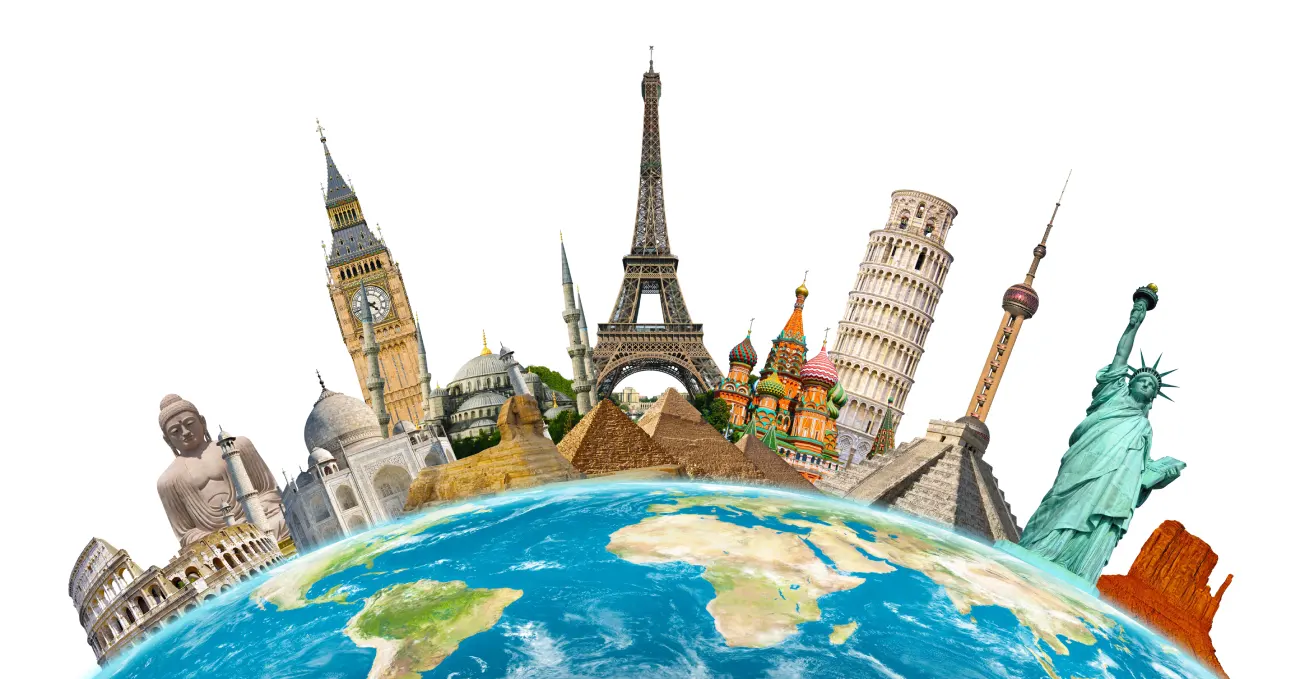
In an era where the internet has shrunk the world into a global village, online shopping has emerged as a powerful tool for consumers to explore and purchase products from every corner of the globe. The allure of international products lies not only in their unique qualities but also in the stories and cultures they carry. This article delves into the world of global goods and how online shopping platforms have become gateways to an international marketplace, offering consumers a rich tapestry of products to choose from.

The Rise of Cross-Border E-commerce

Cross-border e-commerce has seen exponential growth in recent years, with consumers increasingly seeking out products that are not readily available in their local markets. This trend has been driven by several factors, including the ease of access to international online stores, the convenience of home delivery, and the desire for novelty and variety. Platforms like Amazon, eBay, and AliExpress have made it possible for consumers to shop from international sellers with just a few clicks.

Cultural Exploration Through Products

Online shopping for global goods is more than just a transaction; it’s a cultural exploration. Each product tells a story of its origin, from the artisanal crafts of Morocco to the high-tech gadgets of Japan. Consumers can now experience the world’s diverse cultures by incorporating these products into their daily lives. For example, purchasing a handwoven rug from Turkey or a set of matcha tea utensils from Japan can bring a piece of those countries into one’s home.

The Benefits of Global Shopping

One of the most significant benefits of shopping for international products online is the variety. Consumers have access to a vast array of goods that cater to every taste and preference. Whether it’s fashion, food, electronics, or home decor, the options are virtually limitless. Additionally, online shopping often offers competitive prices due to the elimination of traditional retail overheads and the ability to compare prices across multiple vendors.

Sustainability and Ethical Considerations

As consumers become more conscious of their purchasing decisions, many are turning to online platforms that specialize in sustainable and ethically sourced products. Websites that focus on fair trade, organic, and eco-friendly goods are gaining popularity. These platforms not only offer unique international products but also ensure that the production and distribution processes are environmentally and socially responsible.

Challenges and Considerations

While the world of global goods through online shopping is enticing, it also comes with its set of challenges. Shipping costs and delivery times can be significant, especially for products coming from the other side of the globe. Additionally, there may be customs duties and taxes to consider, which can add to the overall cost of the product. Language barriers and differences in sizing and product descriptions can also pose challenges for international shoppers.

Conclusion

Exploring international products through online shopping is an exciting journey that allows consumers to experience the world’s diverse cultures and products from the comfort of their homes. It offers a unique blend of convenience, variety, and cultural enrichment. However, it’s important for consumers to be mindful of the potential challenges and to make informed decisions that align with their values, particularly regarding sustainability and ethical sourcing. As cross-border e-commerce continues to evolve, the global marketplace will undoubtedly become even more accessible and rich with opportunities for cultural exchange and discovery.

Exploring Brazil’s Wilderness: The Amazon’s Embrace

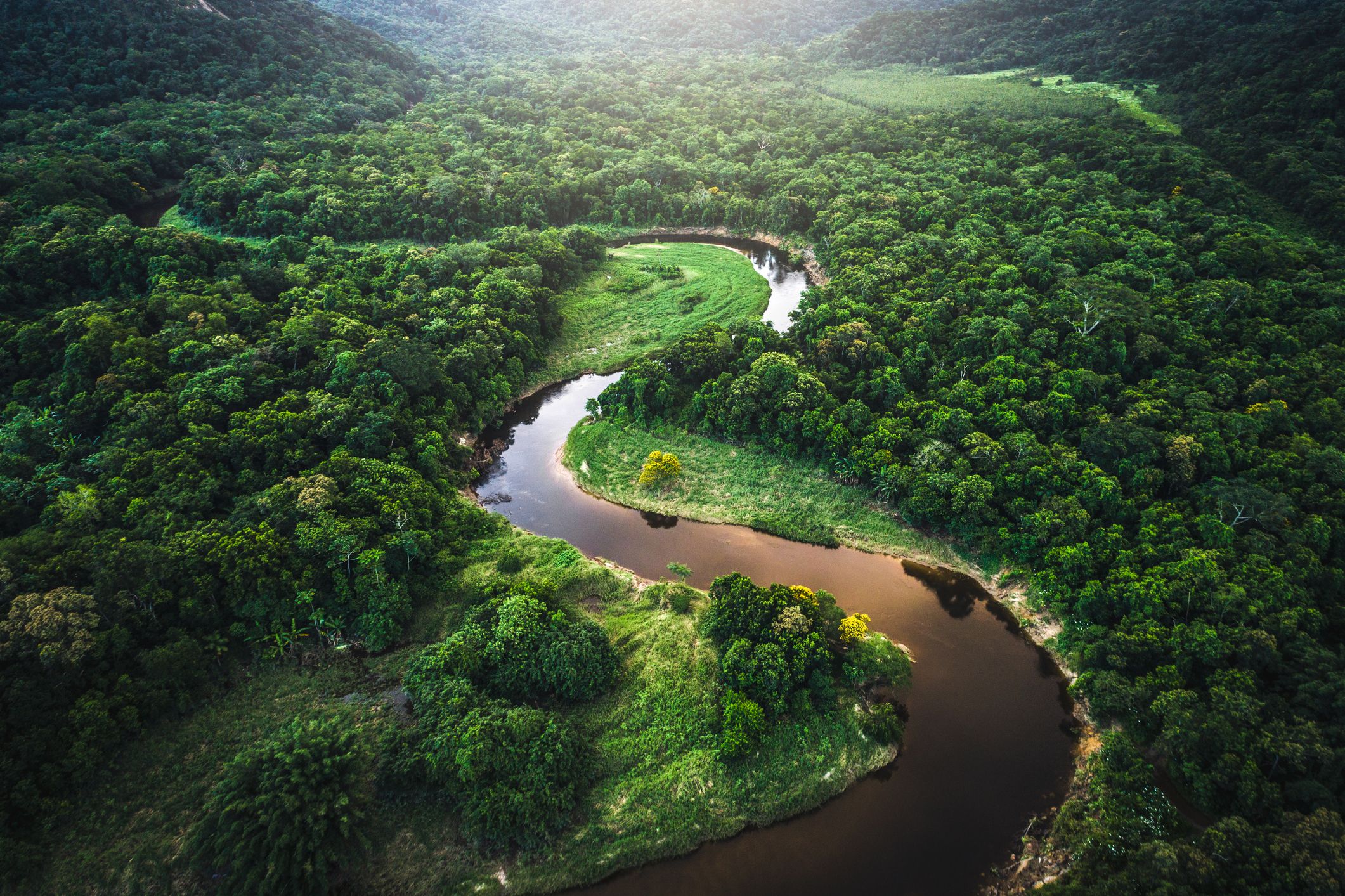
The Amazon rainforest, a vast and verdant expanse that sprawls across much of northern Brazil, is a realm of unparalleled biodiversity and natural wonder. Known as the “lungs of the Earth,” it plays a crucial role in regulating the world’s oxygen and climate. Yet, beyond its ecological significance, the Amazon offers an adventure into the unknown, a chance to explore a wilderness that has remained largely untouched by human hands. This article delves into the heart of Brazil’s wilderness, exploring the Amazon’s embrace and the myriad experiences it offers to the intrepid traveler.

The Amazon’s Biodiversity:
The Amazon basin is home to an astonishing array of life forms, with estimates suggesting that one in ten known species on the planet lives there. This includes over 40,000 plant species, 2,200 fishes, 1,300 birds, 430+ mammals, and 200+ reptiles and amphibians. The forest’s canopy alone is a bustling ecosystem, where thousands of species of insects, birds, and plants coexist. The Amazon’s biodiversity is not just a spectacle of nature; it is a treasure trove of medicinal plants and potential new food sources, offering solutions to some of humanity’s most pressing challenges.

Exploring the Amazon:
To truly experience the Amazon’s embrace, one must venture beyond the comfort of the urban world. Travelers can embark on expeditions by boat, navigating the mighty Amazon River and its tributaries, or by foot, trekking through dense jungle trails. These journeys are not for the faint-hearted; they require resilience, an adventurous spirit, and a willingness to embrace the unknown.

Eco-Tourism and Conservation:
As the Amazon’s beauty and mystery draw more visitors, the importance of eco-tourism and conservation efforts becomes increasingly apparent. Sustainable travel practices, such as minimizing environmental impact, supporting local communities, and participating in conservation projects, are crucial to preserving the Amazon’s delicate ecosystem. Many eco-lodges and tour operators now offer experiences that promote these principles, allowing visitors to explore the rainforest responsibly.

Indigenous Cultures:
The Amazon is also home to numerous indigenous groups, each with its own unique language, culture, and way of life. These communities have lived in harmony with the forest for centuries, possessing invaluable knowledge about its plants, animals, and natural resources. Interacting with indigenous peoples offers a profound insight into the human relationship with the natural world and highlights the importance of preserving their way of life.

Conclusion:
The Amazon’s embrace is a call to adventure, a journey into the heart of the world’s greatest wilderness. It is a place of unparalleled beauty, teeming with life and ancient wisdom. As we explore Brazil’s wilderness, we are reminded of the delicate balance between human activity and the natural world. The Amazon is not just a destination; it is a reminder of the Earth’s incredible diversity and the urgent need to protect it for future generations. Whether through eco-tourism, conservation efforts, or simply by appreciating its beauty from afar, the Amazon’s embrace invites us to reflect on our role in the global ecosystem and to act with care and respect for the planet we all share.